Early paint cracks are almost never caused by defective paint. In over a decade of professional work at Helix Painting, I can say this confidently: early cracking is the result of poor surface preparation—not bad paint, not bad luck, and not “just how houses move.”
When surfaces aren’t properly cleaned, repaired, dried, stabilized, and primed, paint can’t bond or flex with the material underneath it. That creates stress in the paint film. Stress always finds a release point. And when it does, you see cracks—sometimes within weeks.
If you’re planning interior house painting in Parker, CO, understanding why poor surface preparation causes cracking can save you from expensive repainting and long-term damage.
Key Takeaways
What Is Poor Surface Preparation in Painting?
The Professional Definition of Surface Preparation
Surface preparation is the systematic process of cleaning, repairing, drying, profiling, and priming a surface so paint can properly adhere and flex. When any of these steps are skipped or rushed, you’re left with poor surface preparation.
In professional interior house painting projects in Parker, CO, surface prep often takes more time than painting itself. That’s because paint performance is determined before the first coat is applied—not after.
How Poor Preparation Happens on Real-World Paint Jobs
Most cases of poor surface preparation come from rushed timelines, budget shortcuts, lack of inspection, or inexperienced labor. Prep gets minimized because it’s not visually exciting. But skipping prep always shows up later—usually as cracking.
Why Surface Preparation Is Not Optional
Paint doesn’t “stick” the way glue does. It bonds mechanically and chemically. Without proper prep, that bond fails. Poor surface preparation guarantees shorter paint life, weaker adhesion, and higher crack risk—especially indoors where temperature and humidity fluctuate daily.
Why Poor Surface Preparation Leads to Early Cracks
How Paint Film Stress Develops
As paint cures, it shrinks. As temperatures change, it expands and contracts. When the surface beneath isn’t stable due to poor surface preparation, the paint film absorbs all that movement—until it can’t.
Adhesion Failure vs. Structural Movement
Normal surface movement isn’t the enemy. Adhesion failure is. When paint can’t flex with the substrate because of poor surface preparation, cracking becomes inevitable.
Why Cracks Often Appear Before Peeling or Blistering
Cracking is often the first visible symptom. It’s an early warning that prep failed. Peeling and blistering usually come later.
Most Common Surface Preparation Mistakes That Cause Cracks
Painting Over Dirt, Dust, Grease, or Oils
Contaminants act as a barrier between paint and surface. Painting over them is classic poor surface preparation. The paint cures, shrinks, and cracks because it never truly bonded.
Skipping Surface Repairs and Patch Stabilization
Unfilled cracks, loose patches, and soft compound areas telegraph straight through paint. That’s poor surface preparation hiding beneath a fresh coat.
Painting Over Loose, Chalking, or Failing Coatings
When the layer below fails, the layer above fails faster. Cracks propagate upward from unstable surfaces—another hallmark of poor surface preparation.

Moisture-Related Preparation Errors That Trigger Cracking
Painting Over Damp or Water-Affected Surfaces
Moisture trapped beneath paint creates vapor pressure. As it escapes, it stresses the paint film, causing cracks. This is one of the most destructive forms of poor surface preparation.
Failure to Address Leaks or Condensation Issues
Painting over unresolved roof leaks, plumbing issues, or HVAC condensation guarantees cracking—even with premium coatings.
Why High-Humidity Areas Crack Faster
Bathrooms, kitchens, basements, and laundry rooms in Parker, CO experience constant moisture cycling. Without proper prep, cracking happens fast.
Substrate-Specific Preparation Errors
Drywall Preparation Mistakes That Cause Cracks
Improper joint compound curing, inadequate sanding, or skipping primer are all poor surface preparation errors that cause drywall cracks to reappear.
Wood Surface Prep Errors and Seasonal Expansion
Wood moves with moisture. Without proper moisture balance and priming—especially when using or transitioning from oil-based paints—cracks form along grain lines and fasteners.
Masonry and Stucco Prep Failures
High alkalinity, efflorescence, and uncontrolled porosity require specialized prep. Ignoring these is advanced poor surface preparation with predictable cracking results.
Primer-Related Mistakes That Lead to Early Cracks
Skipping Primer Entirely
Primer isn’t optional. Finish paint alone can’t stabilize surfaces. Skipping primer is textbook poor surface preparation.
Using the Wrong Primer for the Surface
Not all primers are compatible with all substrates. Mismatch leads to adhesion failure and cracking.
Inadequate Primer Dry and Cure Time
Rushing recoat windows traps stress between layers—another form of poor surface preparation.
Interior vs. Exterior Cracks Caused by Poor Preparation
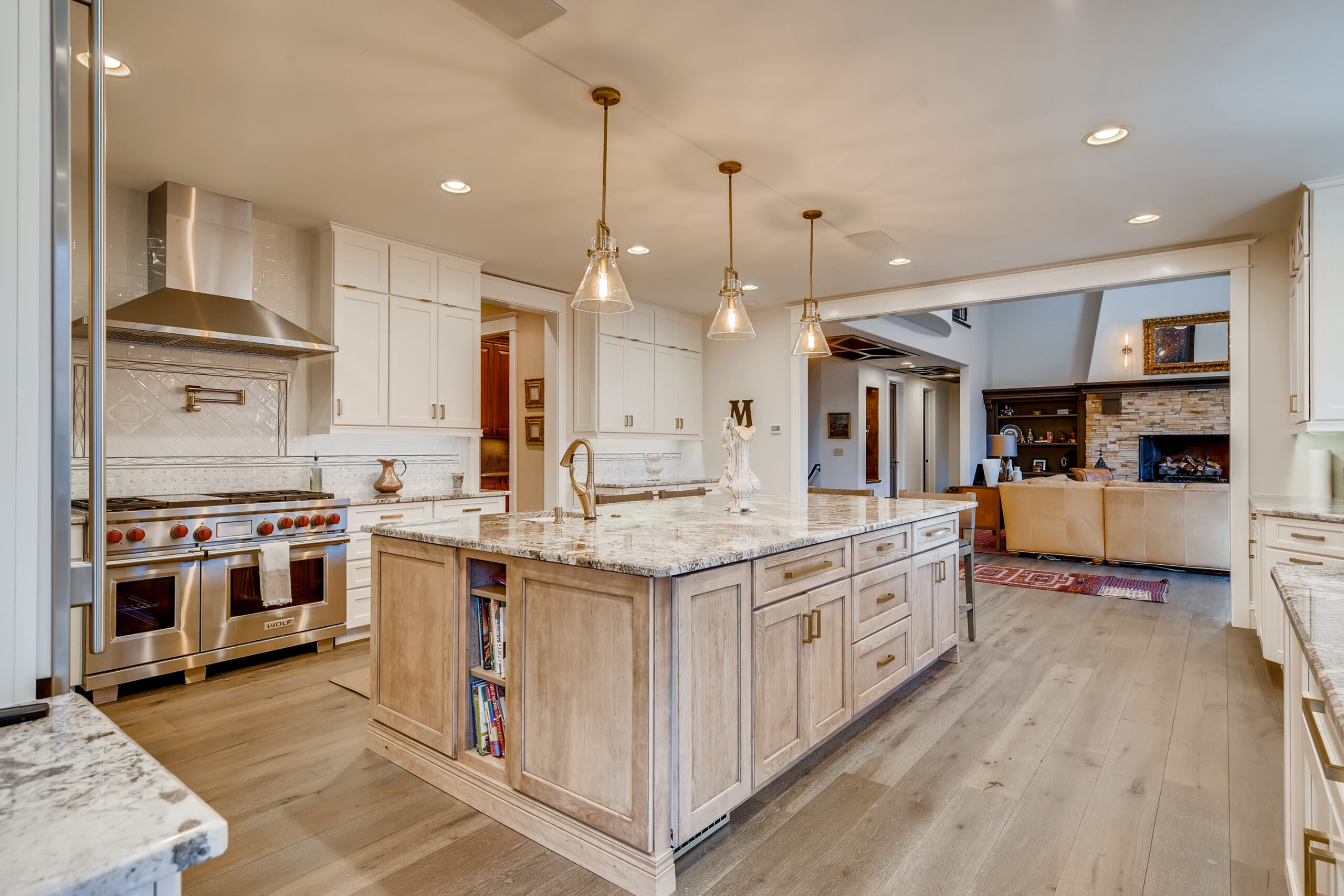
Interior Paint Cracks from Prep Errors
Inside homes, cracking often follows seams, patches, and corners—areas most sensitive to poor surface preparation.
Exterior Paint Cracks from Environmental Exposure
UV exposure, moisture intrusion, and freeze-thaw cycles magnify prep mistakes outdoors.
Why Exterior Prep Errors Are More Visible and Faster
Exterior surfaces endure compounded stress. Any poor surface preparation shows faster and more dramatically.
Can Premium Paint Prevent Cracks from Poor Preparation?
Why Paint Quality Cannot Compensate for Prep Failures
Even the best paint can’t bond to unstable surfaces. Poor surface preparation always wins.
Misleading Claims About “Crack-Resistant” Paints
No paint can override physics. Crack resistance depends on prep, not marketing.
Long-Term Consequences of Poor Surface Preparation
Reduced Paint Lifespan and Repeat Cracking
Cracks reappear because the root cause—poor surface preparation—was never fixed.
Hidden Structural and Moisture Damage Risks
Cracked paint often hides moisture intrusion and substrate deterioration.
Increased Maintenance and Repainting Costs
Skipping prep always costs more long-term. Always.
How Professional Painters Prevent Cracks Through Proper Preparation
Surface Evaluation and Diagnostic Testing
At Helix Painting, we test moisture levels, adhesion, and substrate integrity before any interior house painting project in Parker, CO.
Correct Cleaning, Repair, and Stabilization Steps
Professional prep includes cleaning, repair, drying, sanding, priming, and verification—never shortcuts.
Matching Primers and Coatings to Each Substrate
Paint systems are selected intentionally, including proper use of oil-based paints when required.
We also follow documented industry guidance like the Surface Preparation Standards.
Warning Signs That Cracks Are Caused by Poor Preparation
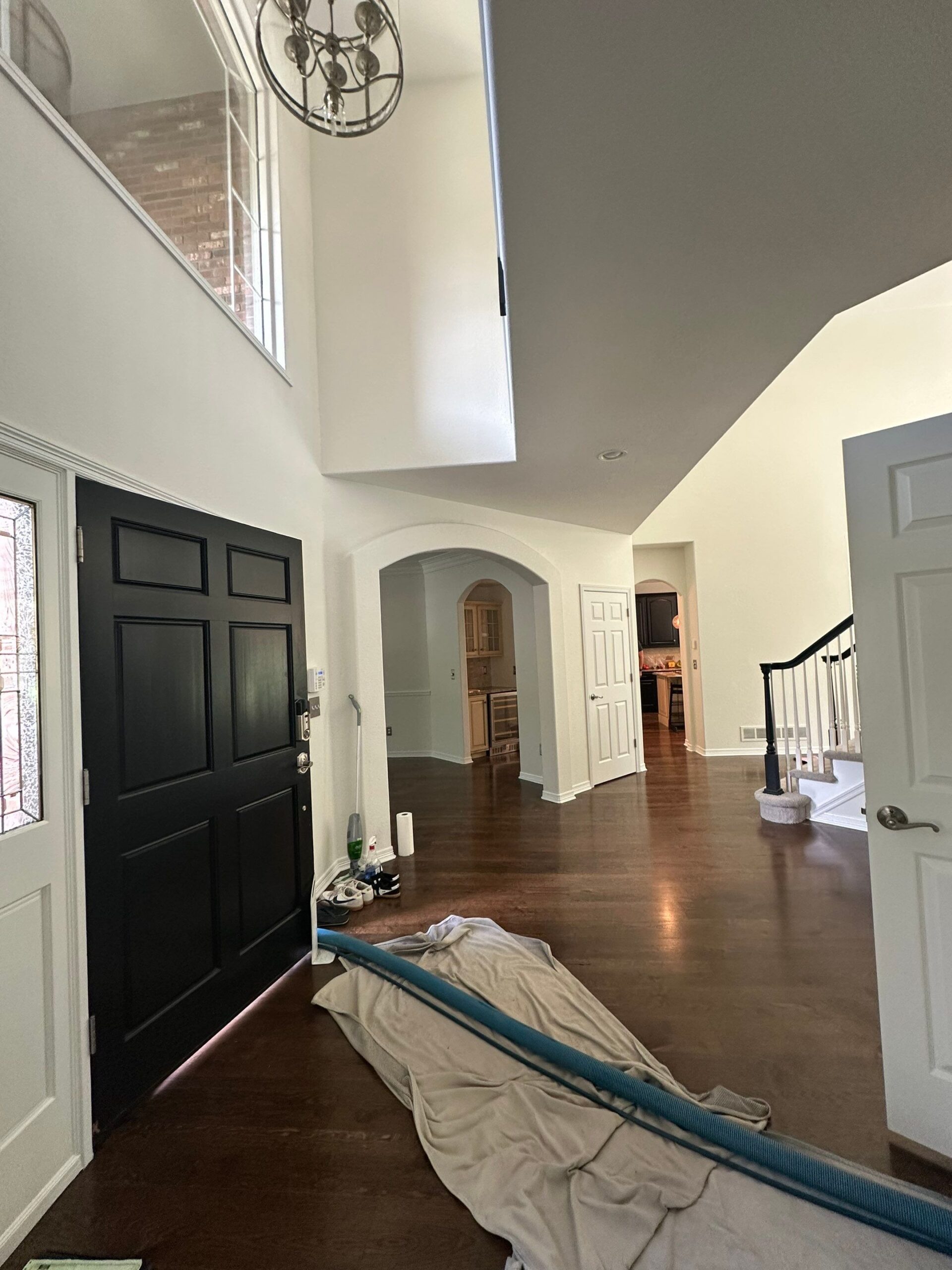
Cracks Appearing Within Weeks or Months
Fast failure almost always indicates poor surface preparation.
Cracks Following Seams, Joints, or Patches
These are stress concentration zones where prep matters most.
Paint Separating Cleanly from the Surface
Clean separation is an adhesion failure—not paint failure.
How to Fix Paint Cracks Caused by Poor Surface Preparation
Why Surface-Level Repairs Often Fail
Filling cracks without fixing prep guarantees recurrence.
Corrective Preparation Before Repainting
True repair requires removal, drying, stabilization, and proper priming.
When Full Removal and Re-prep Is Necessary
Severe cases of poor surface preparation demand a reset.
How Property Owners Can Avoid Poor Surface Preparation
Questions to Ask a Painter About Preparation
Ask how they clean, repair, dry, and prime—specifically.
What Proper Surface Preparation Should Include in a Quote
Prep should be detailed, measurable, and documented.
Why Cutting Prep Costs Always Backfires
You always pay for poor surface preparation—either now or later.
Early Cracks Expose Preparation Failures
Cracking paint isn’t a mystery. It’s evidence. Evidence of poor surface preparation.
Durable paint performance doesn’t start with paint. It starts with preparation. If you’re investing in interior house painting in Parker, CO, make sure prep is treated as the foundation—not an afterthought.
That’s how professional results are built.